When an aging parent stops making even small decisions, like what to wear or what to eat, it can look like decline. Often it’s something else: helplessness.
The Eden Alternative, a person-centered care philosophy adopted at Dayspring Villa, defines helplessness in aging adults as the pain of receiving care without the chance to give it. The remedy is giving your loved one real opportunities to contribute, choose, and feel that they matter, not simply more assistance.
Loneliness, boredom, and helplessness make up what the Eden Alternative calls the three plagues of elder care. We’ve previously explored fighting boredom in older adults and the impact of loneliness and isolation. Now, we’re turning our attention to the third plague: helplessness. Learn how to recognize the signs in someone you love and discover meaningful ways to help them regain a sense of choice, purpose, and control.
What Does Helplessness in Aging Adults Look Like?
Helplessness rarely announces itself.
It shows up in small surrenders: letting someone else pick their clothes, their meals, their schedule, even when they’re still capable of making those choices. Watch for:
- Resigned language: “It doesn’t matter,” “just do it for me,” “what’s the point?”
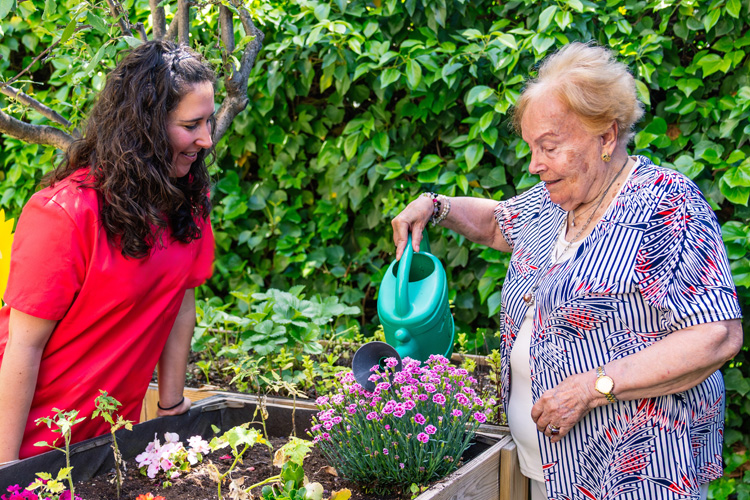
- Withdrawing from tasks or roles they used to handle, such as cooking, managing money, or even gardening
- Reluctance to try again after a fall, mistake, or health scare
- Describing themselves as a burden rather than a contributor
When “I’m a Burden” Signals Something Deeper
A single comment about feeling useless is worth a gentle conversation. A pattern of it, paired with low energy or loss of interest in things they once enjoyed, can point toward depression rather than helplessness alone. Helplessness responds to restored choice. Depression usually needs professional support too. If you’re not sure which you’re seeing, a conversation with their doctor is the safer first step.

Why Does Helplessness Take Hold as We Age?
Helplessness usually isn’t about ability. It’s about opportunity. When someone else quietly takes over decisions and daily contributions, even a fully capable adult starts to feel incapable.
Physical changes make this worse. A fall, or even the fear of one, is often the tipping point. According to the CDC, more than one in four adults 65 and older falls each year, and the fear that follows can cause someone to cut back on activities they once handled independently, which weakens the muscles and balance that kept them steady in the first place.
Family often plays a part too, usually with good intentions. Stepping in to manage a parent’s medications, finances, or errands feels like help. Done too often, it can quietly signal that you no longer trust them to manage anything themselves. You don’t need to do less for the people you love, just notice which tasks they could still own, and hand those back on purpose.
How Can You Help Restore Your Loved One’s Sense of Control?
You can’t out-help your way past helplessness. The fix is giving back some of the control that decline has taken away, and the payoff is bigger than it looks. A study tracking adults 50 and older for four years, published through the National Institutes of Health, found that those with a stronger sense of control over their own lives had measurably lower mortality risk than those who didn’t, even after accounting for health status. Restoring small, everyday choices is protective, not just kind.
Offer choices, not directives. Instead of deciding for them, narrow it to two options: “Do you want your walk before or after lunch?” Small choices rebuild the muscle of deciding.
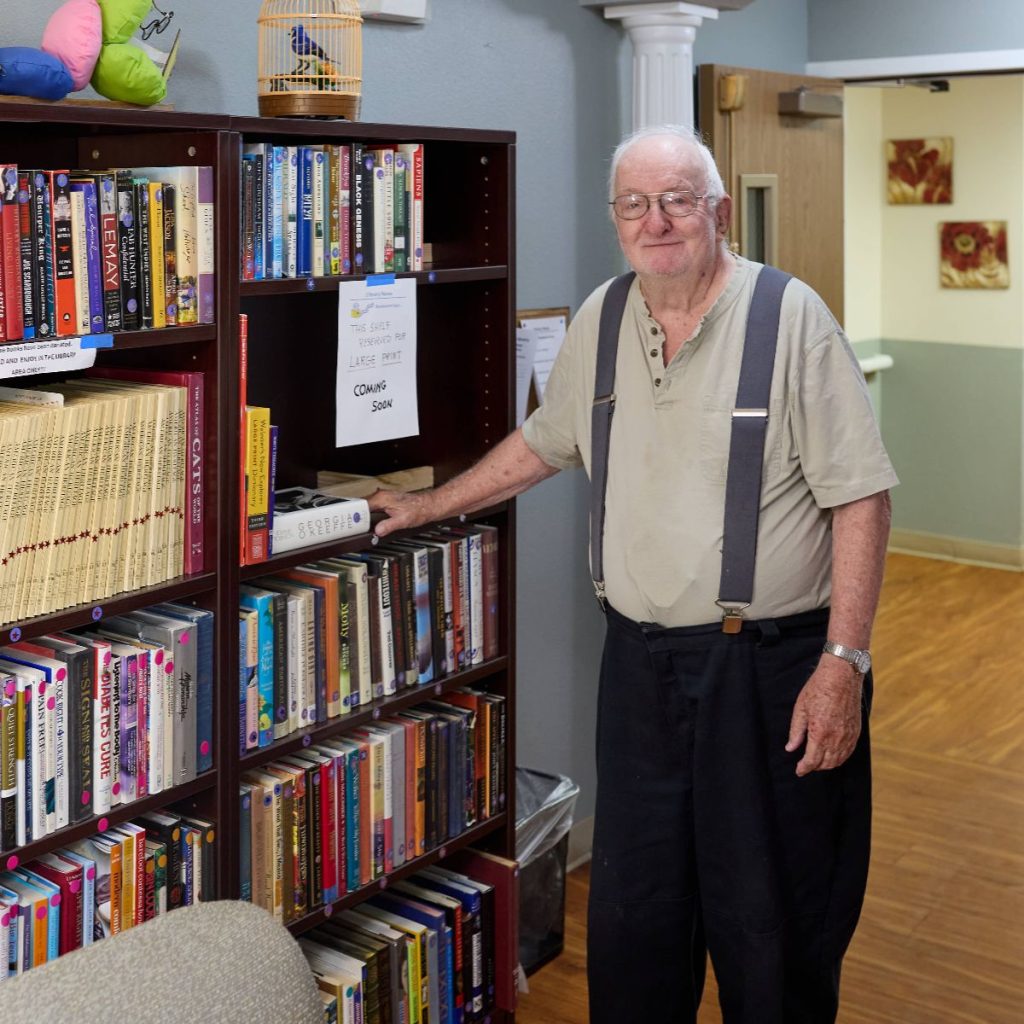
Focus on what they can still do, not what they’ve lost. If they can still fill their own pill organizer, water the plants, or help plan a meal, let them, even if it takes longer or looks different than it used to. The goal is ownership, not perfection. At Dayspring Villa, resident-driven assisted living means residents help shape the community itself rather than just live in it, which is the same principle applied at scale.
Break big tasks into small ones. An overwhelming project, cleaning a garage, planning a move, feels impossible in one piece. One step at a time proves they’re still capable of finishing something.
Give them something to give. Purpose flows both directions, and the research backs that up: a meta-analysis published in Psychology and Aging found that older adults who volunteer regularly have up to a 24% lower mortality risk than those who don’t. Our community life Men’s Group is a good example: residents fix wheelchairs, tend flower beds, and repair neighbors’ computers, work that hands them a role, not just a routine.
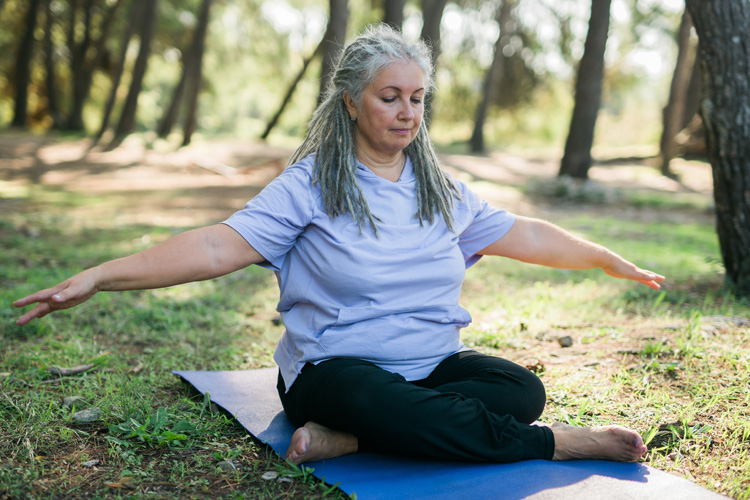
Support safe mobility. Gentle activity like tai chi or short walks rebuilds the confidence that a fall or near-fall takes away, without pretending the fear isn’t real.
Where to Start When It Feels Like Too Much
Pick one decision this week and hand it back. Let them choose dinner, pick the route for a walk, or decide when to call a friend. If loneliness is part of the picture too, the National Council on Aging and the Eldercare Locator can both connect you to local programs and peer groups near where your loved one lives.
Helplessness, like loneliness and boredom, gets solved by making room for someone to do more themselves, not by doing more for them. That’s the thinking behind Dayspring Villa’s Rhythms Life Enrichment program, and it’s part of why the Eden Alternative’s three plagues, loneliness, boredom, and helplessness, guide so much of what we do here.
That same commitment to genuine relationships is why Dayspring Villa has earned the World’s Best Culture Certification three years running. Come see why, and reach out to our team to schedule a visit.