At Dayspring Villa, assisted living is more than a place to reside; it’s a vibrant, evolving community shaped by the people who call it home. While many communities talk about independence and engagement, Dayspring Villa breaks the mold through the Christian Living Communities Citizenship Model® rooted in resident-driven senior living.
This approach transforms daily life from passive participation into meaningful contribution, where every resident has a voice, a role, and a sense of purpose.
How We Create Ownership Through Citizenship
Resident-driven senior living is often described as giving residents the opportunity to influence activities and programs. At Dayspring Villa, that concept grows into something deeper: citizenship. Residents are not just participants; they are active contributors who help shape the community’s direction, culture, and priorities.
Citizenship means shared responsibility. It means recognizing that each individual has talents, ideas, and experiences worth contributing. Rather than staff dictating what life looks like, residents collaborate, lead initiatives, and support one another to strengthen the community. This shift from “resident-driven” to “citizenship” creates a sense of ownership.
How Do Committees Build A Citizenship Model In Their Assisted Living?
One of the clearest expressions of this citizenship model is the committee structure within Dayspring Villa. Residents join committees based on their interests and passions, ranging from gardening and library development to wellness and social programming. These committees are not symbolic; they are active, decision-making groups that bring ideas to life.
This collaborative structure fosters leadership and empowers residents to take initiative. More importantly, these committees cultivate connection. When residents work side by side toward a shared goal, relationships deepen. The sense of belonging and purpose emerges and is not manufactured; it’s earned through shared effort and mutual respect.
How Does Dayspring Villa Build A Culture Of Generosity And Collaboration
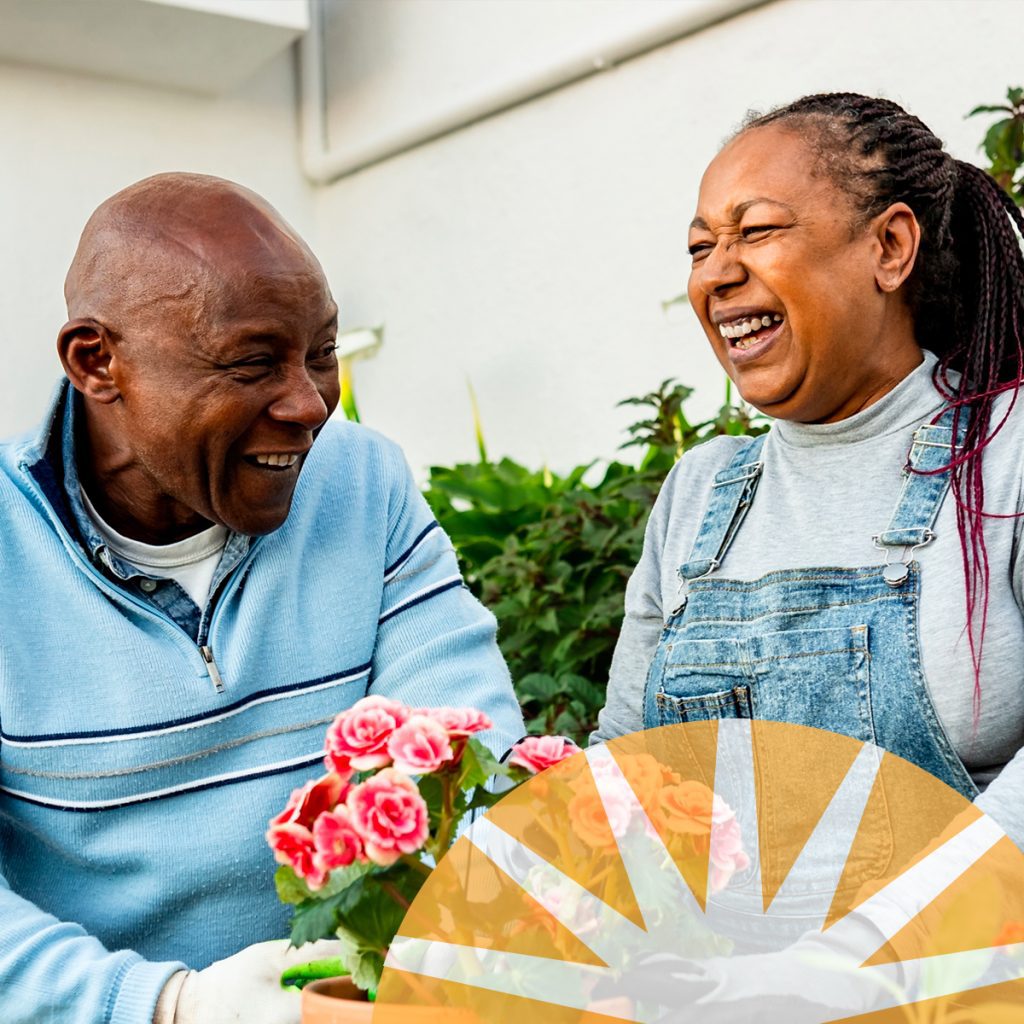
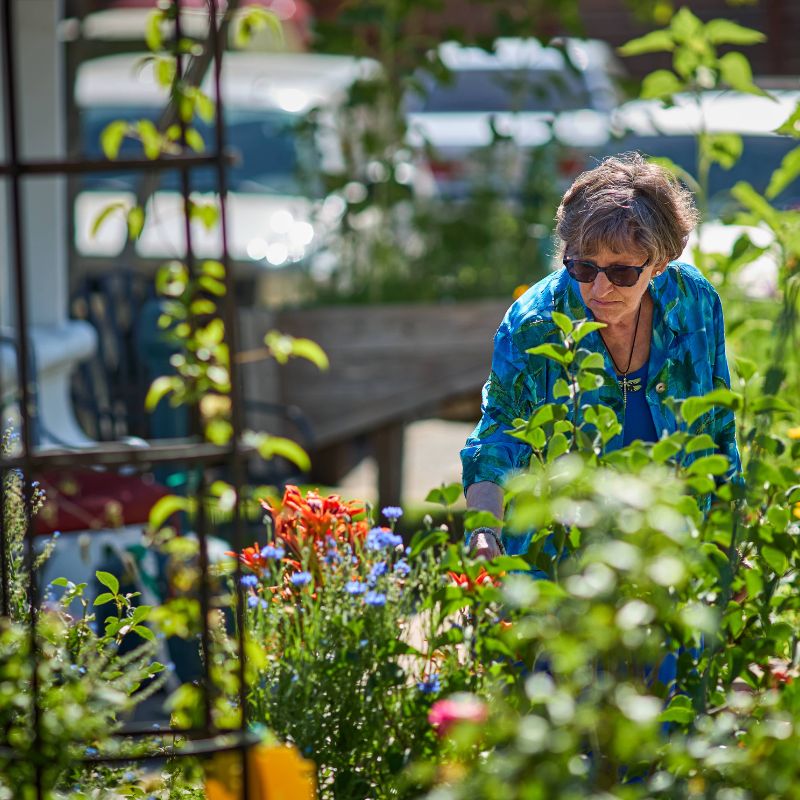
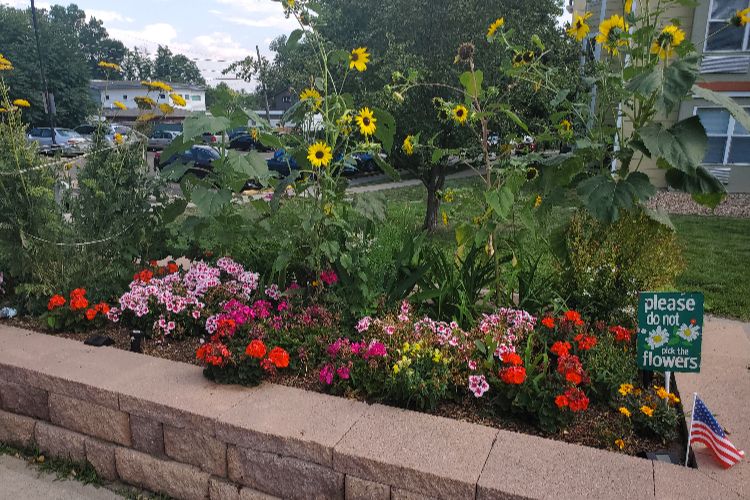
The citizenship model also inspires a culture of generosity. Residents frequently support projects not only with their time and ideas but also through donations and resourcefulness. A powerful example of how generosity and citizenship made the garden renovation possible is the community-led garden project.
Through donated funds and resident-driven collaboration, what began as an idea became a transformed outdoor space that benefits everyone. This project was not driven by administration but by residents who saw an opportunity and worked together to make it happen.
Similarly, the library renovation reflects the same spirit. Residents recognized the importance of a welcoming, functional space for reading and gathering. Through shared effort and community generosity, and their vision for a revitalized library, created a space that encourages learning, connection, and quiet reflection.
These projects demonstrate how resident-driven assisted living evolves into true citizenship, where individuals invest in the community not just for personal benefit, but for the good of all.
What Do Everyday Acts Of Citizenship In Assisted Living Look Like?
Citizenship at Dayspring Villa extends beyond large projects. It shows up in everyday moments, neighbors helping neighbors, residents welcoming newcomers, and informal support networks that form naturally.
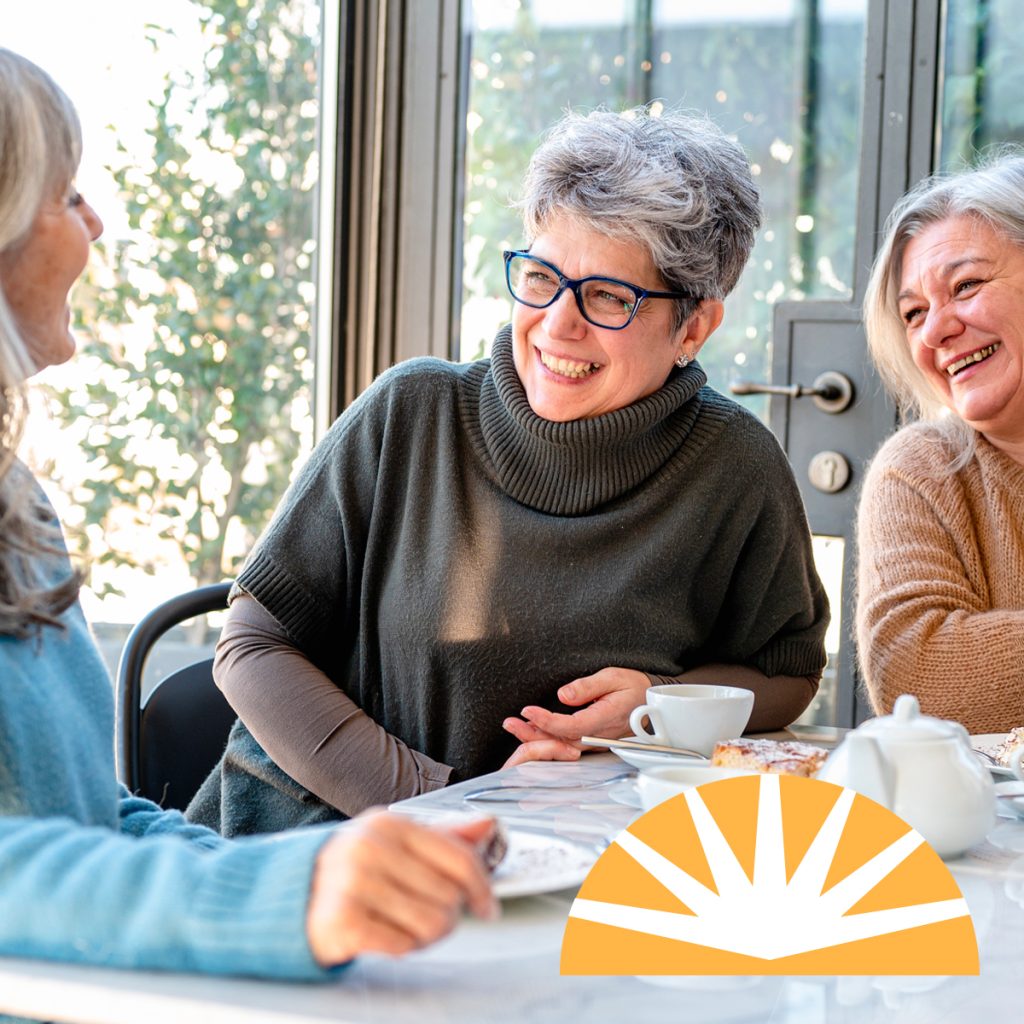
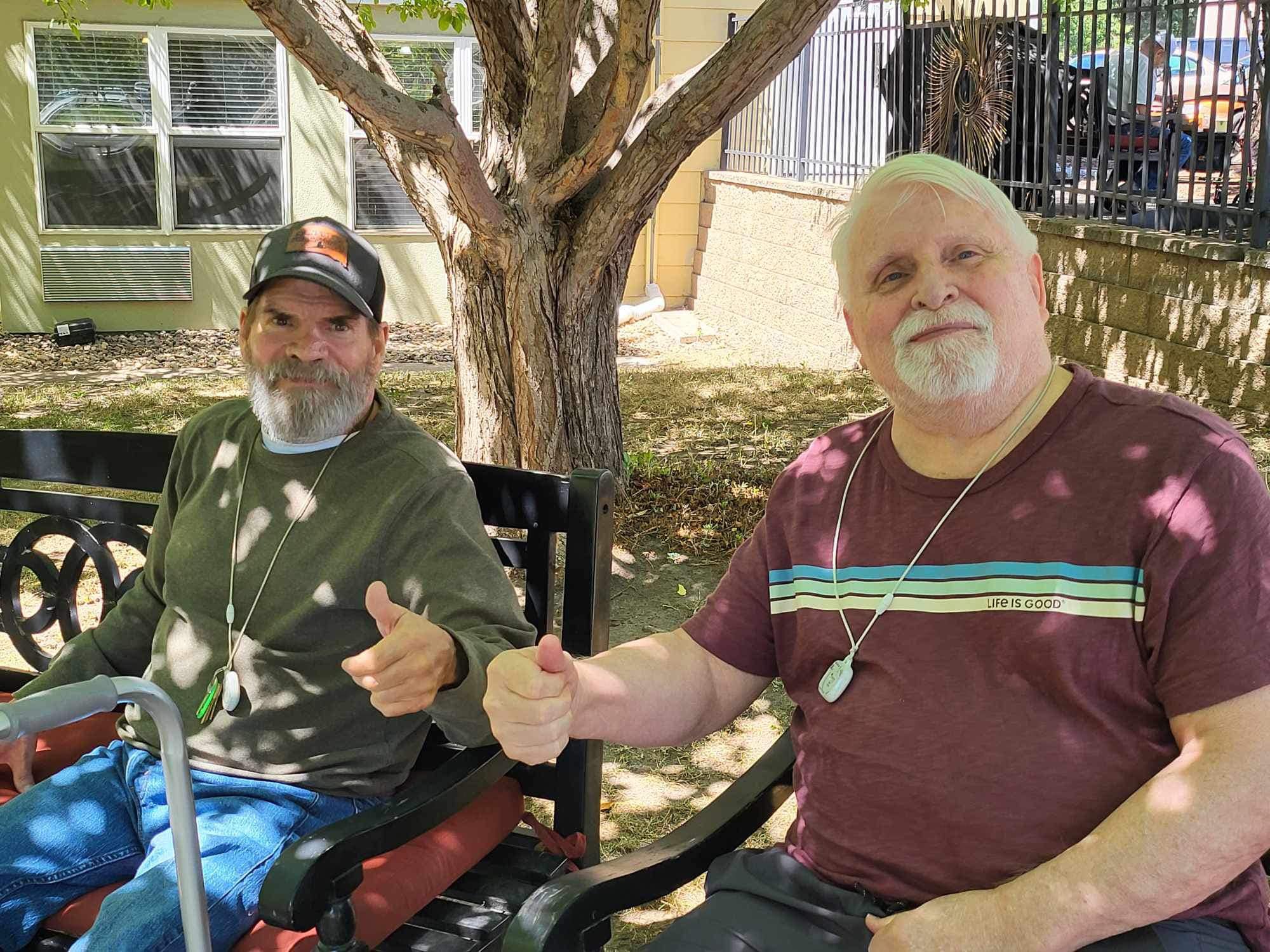
Groups like the Dayspring Villa’s men’s group highlight the power of shared experience and mutual encouragement. These gatherings provide more than social interaction; they create spaces where residents can connect authentically, share stories, and support one another through life’s transitions.
This culture of purpose reinforces the idea that everyone has something to give. Whether it’s offering a listening ear, organizing an activity, or contributing to a committee, each act strengthens the fabric of the community.
Why Does Citizenship Matter In Assisted Living?
The transition into assisted living can sometimes feel like a loss of independence or control. The citizenship model within senior living and at Dayspring Villa challenges that narrative by restoring agency and purpose.
When assisted living residents are empowered to contribute, they experience:
- A stronger sense of identity and self-worth
- Increased social connection and reduced isolation
- Opportunities for continued growth and learning
- A deeper sense of belonging within the community
Resident-driven assisted living, when fully realized as citizenship, shifts the focus from care alone to purposeful living. It acknowledges that aging adults are not defined by their needs, but by their abilities, experiences, and contributions.

Dayspring Villa Is A Citizenship Model Community
What makes Dayspring Villa unique is that its culture is not static; it evolves with its residents. New ideas emerge, new leaders step forward, and new projects take shape. The community is constantly being reshaped by its people.
This dynamic environment keeps life engaging and purposeful. Residents are not just adapting to a community; they are actively creating it. For families, this model offers reassurance that their loved ones are not only cared for but also valued as active members of a thriving community. For residents, it provides the opportunity to continue making a difference in ways both big and small.
Dayspring Villa’s approach redefines what assisted living can look and feel like. By embracing a citizenship model grounded in resident-driven senior living, it moves beyond traditional expectations and creates a space where individuals truly belong.
It’s a place where ideas turn into action, where generosity fuels transformation, and where every resident has the opportunity to contribute to something larger than themselves. In this community, citizenship is not a title; it’s a way of life.
Come see for yourself how resident-driven citizenship makes a difference at Dayspring Villa.