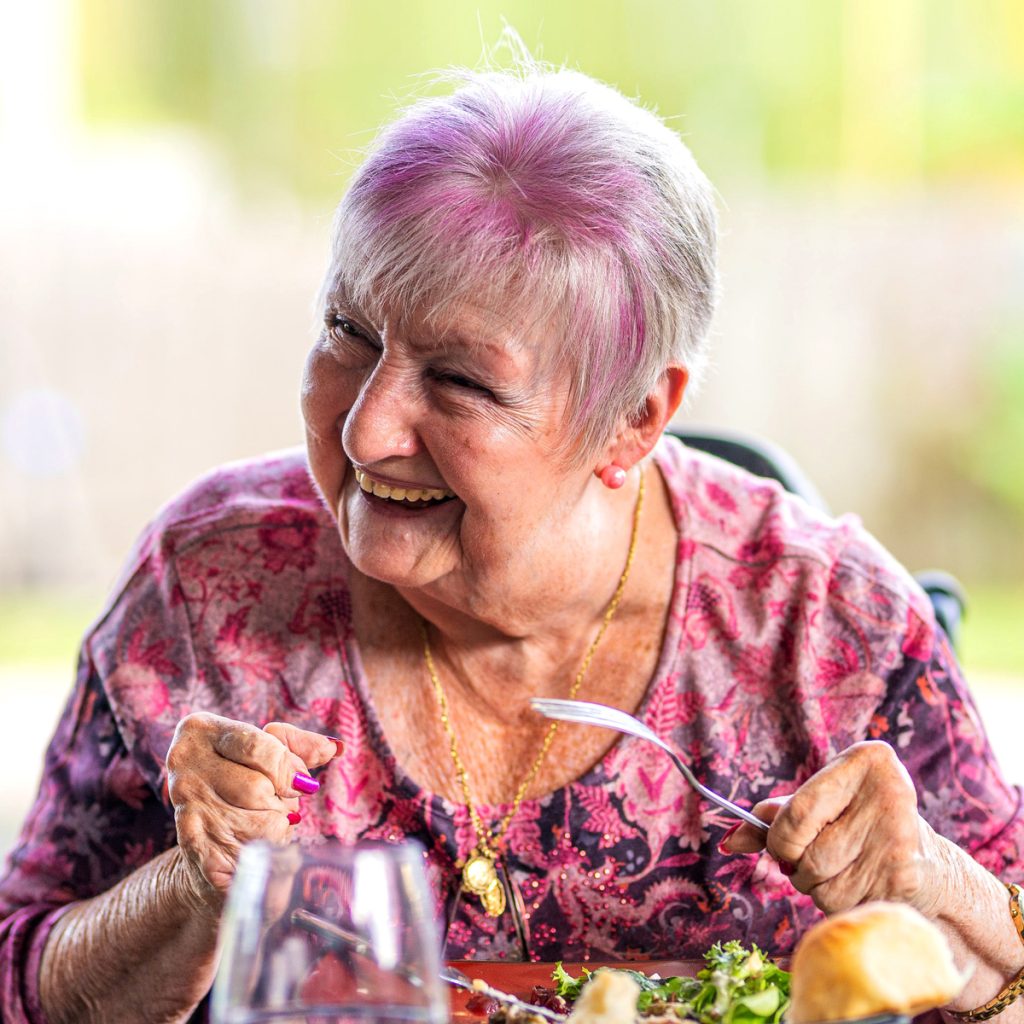
A dementia diagnosis can mark the beginning of a new and often confusing reality. Dementia affects more than memory; it can also influence behavior, daily functioning, and eating habits. While prevention is important, nutrition and dining deserve focused attention after diagnosis. Nutrition should not become less important when dementia begins—if anything, it becomes even more essential. Ongoing research continues to highlight the benefits of nutrition and cognitive health, not only in prevention but also in supporting older adults living with dementia.

The Deeper Impact Of Dementia On Health
One important indicator of health in older adults is the ability to maintain a stable weight. Significant weight changes, especially weight loss, may be linked to underlying conditions, poorer outcomes, or a more serious health concern that requires further attention.
Dementia can have a substantial impact on weight by changing appetite, eating patterns, and the way a person responds to food and the dining environment. Several factors may contribute to poor appetite and subsequent weight loss, including:
- Busy or overstimulating dining environments that feel overwhelming
- Changes in food preferences, which may shift suddenly or significantly
- Altered hunger cues that make it harder for residents to recognize their needs
- Decreased thirst, elevating dehydration risk; a condition that is known to exacerbate dementia symptoms like agitation and confusion
A resident’s condition can change from day to day—and even from one meal to the next. This variability makes each dining opportunity important and highlights the need for thoughtful, individualized support from caregivers when planning and serving meals.

Whole Person, Whole Program
Because needs can change so quickly, better nutrition programming should go beyond offering menus residents enjoy. It should also identify targeted nutrition strategies that help support cognitive health, meet nutritional needs, and allow residents to thrive in their current living environment.
A sound nutritional program should consider environmental factors, such as consistency in meal times, adequate lighting, ambient – low impact sounds, and a low stress atmosphere to help ensure residents feel comfortable and are given the best opportunity to maintain focus on nutrition. A meal should be a pleasant experience that promotes dignity, resident autonomy as well as physical and cognitive health.
Equipping caregivers with practical dementia dining strategies is essential to effective programming. Helpful approaches include offering smaller, more frequent meals instead of three large meals; asking family members or close friends about nutrient-dense foods the resident enjoys; and recognizing changes in condition or behavior early so unmet needs can be addressed before distress escalates. These timely, individualized adjustments can help redirect difficult moments into calmer, more meaningful dining experiences.
Additionally, small but meaningful adaptations can further support dignity, autonomy, and independence during meals. Programs such as Duet’s Fresh Bites offer easy-to-eat foods that can be picked up by hand, hold their shape, and require minimal chewing. These options are especially helpful for residents who have difficulty using cutlery.
Fresh bite foods can provide several important benefits:
- Nutritionally adequate: With guidance from a dietitian, a full finger-food menu can be designed to meet residents’ nutritional needs.
- Support independence and dignity: Residents who struggle with cutlery may be able to eat more independently when offered appropriate handheld foods.
- Increase oral intake: Handheld foods can reduce frustration, improve focus, and give residents a greater sense of control during meals.
- Enhance the dining experience: Eating with others in a pleasant environment highlights the benefits of communal dining, including opportunities for social engagement and connection, while also encouraging food intake for residents living with dementia.

What You Eat Matters
In an era shaped by social media, wellness influencers, and convenience culture, it can be difficult to separate sound nutrition guidance from sensational claims. The best approach is to trust qualified professionals and follow the science. Current evidence supporting nutrition and cognitive health emphasizes antioxidant-rich foods, healthier fats with neuroprotective benefits, and nutrient-dense choices that offer strong nutritional value.
The MIND Diet
Among the many eating patterns promoted for cognitive health, the MIND diet has some of the strongest scientific support. It combines principles of the Mediterranean diet and DASH—Dietary Approaches to Stop Hypertension—with an emphasis on foods associated with brain health.
The MIND diet encourages regular inclusion of:
- Leafy green vegetables
- Berries
- Nuts, seeds, and olive oil
- Fish and other sources of healthy fats, including omega-3 and omega-6 fatty acids
It also recommends limiting foods that may be less supportive of long-term cognitive and overall health, including:
- Red meat
- Sweets
- Fried foods
Adding these foods to a menu program may help support cognitive health and overall well-being. Research suggests that these dietary patterns may not only help reduce future dementia risk but may also support individuals already living with dementia.
For this reason, incorporating MIND-style foods into dining programs can be a meaningful and practical strategy at any stage of care.

Move Your Mind
A complementary program to these nutrition-focused recommendations is Duet’s Move Your Mind, a brain fitness education series that highlights lifestyle factors supporting cognitive health. It is born out of the US POINTER Study (U.S. Study to Protect Brain Health through Lifestyle Intervention to Reduce Risk), the largest clinical trial to date was published in July 2025 that looked at the impact of lifestyle and nutrition on cognitive health.
The education series includes four brain health classes focused on six modifiable areas with a meaningful impact on cognitive well-being: movement, nutrition, sleep, social connection, stress management, and brain challenges.
The series is designed for a range of needs, from individuals looking to reduce future dementia risk to those already experiencing cognitive changes who want to support function and potentially slow progression. The series is offered at various communities and different times of the year to give residents opportunities to participate in the classes.
Conclusion
Ultimately, what we eat matters at every stage of life and care. Supporting someone living with dementia requires attention to the whole person, not a one-size-fits-all approach. Effective nutrition programming should bring together several coordinated strategies: understanding dementia-related risks, training staff to recognize and respond to changing needs, creating calm and comfortable dining environments, offering adaptations such as Fresh Bites to support easier eating, and providing educational programming like Move Your Mind that address residents’ broader cognitive and wellness needs.
At Dayspring Villa, Duet Dining brings these principles together by creating thoughtful dining experiences that support nutrition, independence, dignity, and connection. Together, these efforts can help preserve autonomy while supporting overall well-being.